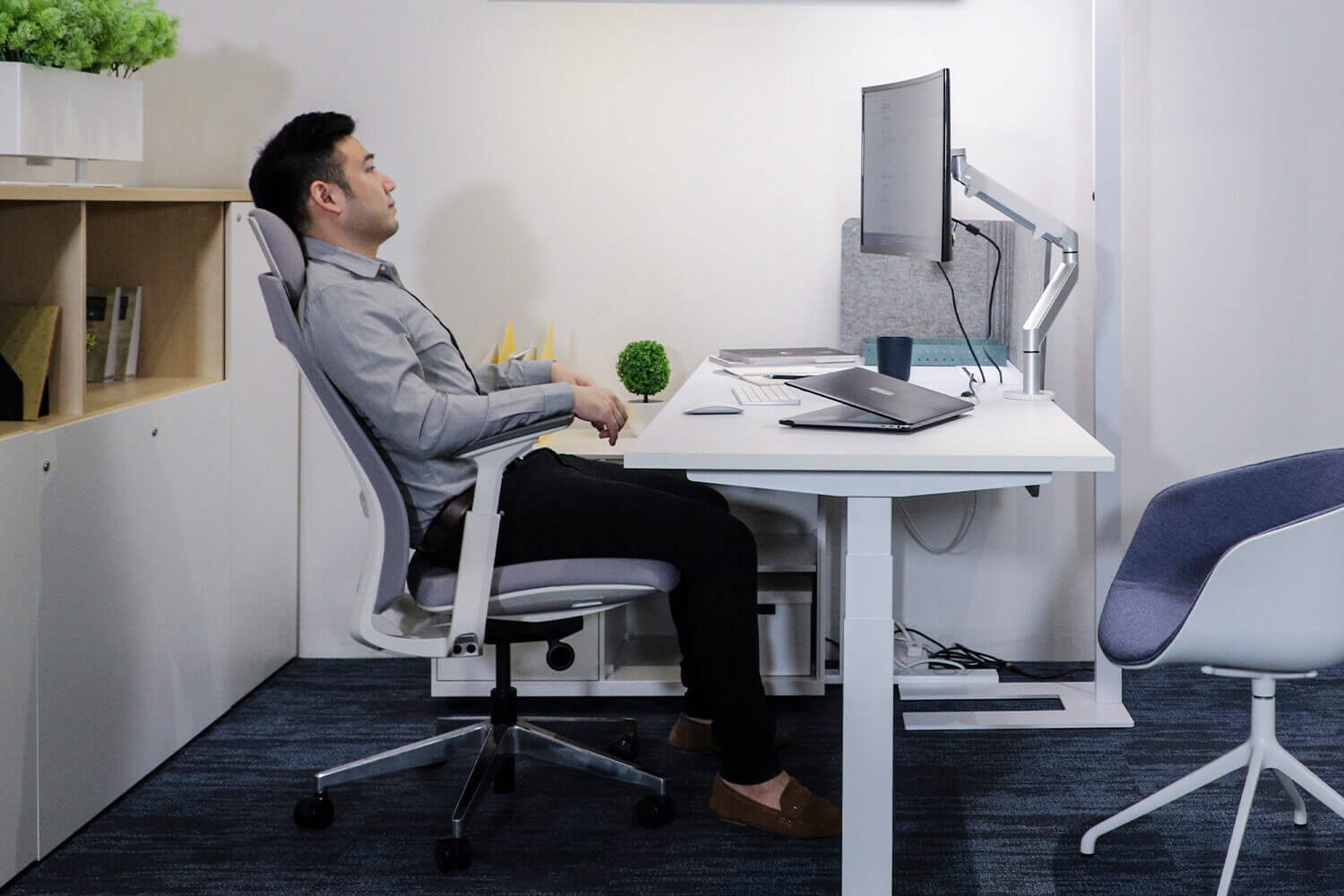
How to Improve Neck Support in Your Office Chair
Introduction
In our modern working world, where desk jobs have become the norm, maintaining proper posture has never been more crucial. A key element of this is ensuring adequate neck support in your office chair. Poor neck support can lead to discomfort, long-term health issues, and decreased productivity. This article explores practical strategies to enhance neck support in office chairs, helping you work more comfortably and efficiently.
Understanding the Importance of Neck Support
Why Neck Support Matters
Proper neck support is vital for maintaining spinal alignment and reducing the risk of strain. Without it, the neck can fatigue quickly, leading to headaches, tension, and even chronic pain.
Signs of Inadequate Neck Support
Recognizing the signs of insufficient neck support can help you address potential issues before they worsen:
- Frequent neck stiffness or pain
- Headaches originating from the neck area
- Difficulty focusing due to discomfort
Strategies to Enhance Neck Support
Choosing the Right Office Chair
Selecting an office chair designed with ergonomic features is the first step toward improved neck support. Chairs with adjustable neck rests and high backrests provide essential support.
Find out more about this approach.
Adjusting Chair Features
Ensure your chair is correctly adjusted to support your neck and back:
- Align the neck rest to the natural curve of your neck.
- Adjust the chair”?s height so your feet rest flat on the floor.
- Tilt the backrest at a slight angle for optimal support.
Discover expert strategies here for chair adjustments.
Incorporating Additional Support Tools
Sometimes, adding extra tools can significantly enhance neck support:
- Neck pillows or cushions specifically designed for ergonomic support.
- Adjustable lumbar supports to maintain proper posture.
Explore advanced guides and tips on ergonomic accessories.
Maintaining Good Posture
Regular Posture Checks
Regularly checking your posture can prevent neck strain. Ensure your back is straight, shoulders are relaxed, and your neck is aligned with your spine.
Learn about our tailored solutions for maintaining posture.
Incorporating Movement into Your Routine
Taking frequent breaks to stretch and move is crucial for reducing tension and maintaining comfort:
- Stand up and stretch every 30 minutes.
- Incorporate neck and shoulder stretches into your routine.
- Use a standing desk to encourage movement throughout the day.
Conclusion
Improving neck support in your office chair is a vital component of workplace ergonomics. By selecting the right chair, adjusting its features, using additional support tools, and maintaining good posture, you can ensure a more comfortable and productive work environment. A proactive approach to neck support can lead to significant improvements in well-being and efficiency.
About the Author