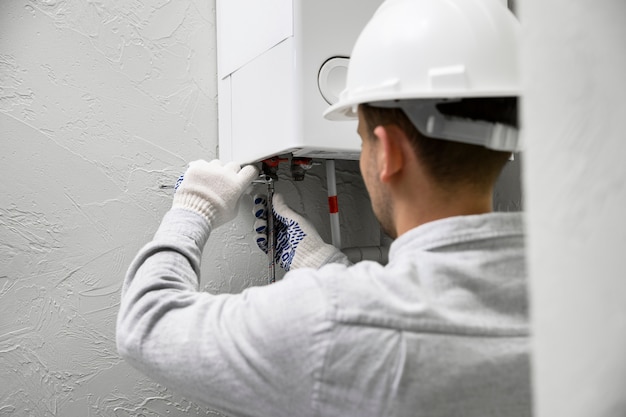
In today’s fast-paced world, maximizing efficiency in every aspect of home maintenance is crucial. One often overlooked area of improvement is the hot water heater. Upgrading this essential appliance can lead to significant savings in energy costs and enhance overall convenience. Delving into the nuances of hot water heater upgrades can empower homeowners to make informed decisions that align with modern efficiency standards.
Understanding the Benefits of Upgrading
Upgrading your hot water heater is not just about replacing an old unit; it”?s about enhancing performance and efficiency. Here are several reasons why an upgrade can be beneficial:
- Energy Efficiency: Newer models are designed to consume less energy while providing consistent hot water.
- Cost Savings: Reduced energy consumption leads to lower utility bills.
- Environmental Impact: Efficient heaters reduce carbon footprints, contributing to a healthier environment.
- Improved Technology: Modern heaters come with advanced features like smart controls and energy monitors.
To discover expert strategies here for upgrading your water heater, it’s essential to understand the options available.
Types of Hot Water Heaters
The market offers a variety of hot water heaters, each with unique advantages. Choosing the right type depends on household needs and budget considerations.
Tankless Water Heaters
Tankless water heaters, also known as on-demand heaters, heat water directly without the use of a storage tank. This type offers several benefits:
- Space Saving: Compact design ideal for small spaces.
- Instant Hot Water: Provides hot water immediately without waiting for a tank to fill.
- Longer Lifespan: Typically outlasts traditional tank heaters.
To learn about our tailored solutions for tankless heaters, consider the specific needs of your home.
Traditional Tank Water Heaters
These are the most common type of water heaters, featuring a large tank that stores heated water until needed. They are known for:
- Lower Initial Cost: Generally less expensive to purchase and install.
- Consistent Supply: Provides a steady flow of hot water, suitable for simultaneous use in multiple locations.
While traditional tanks are efficient, exploring advanced guides and tips can help maximize their efficiency and lifespan.
Factors to Consider When Upgrading
Several factors should be considered to ensure the selected hot water heater fits your needs and maximizes efficiency:
- Capacity: Ensure the heater can meet the hot water demands of your household.
- Installation Requirements: Some models require specific installation conditions, such as venting and electrical connections.
- Energy Source: Decide between electric, gas, or solar-powered options, each with distinct cost and efficiency implications.
- Maintenance Needs: Understand the maintenance requirements to ensure longevity and performance.
Find out more about this approach by consulting with professionals who can provide detailed assessments tailored to your home.
Conclusion
Upgrading a hot water heater is a strategic investment that enhances efficiency, reduces costs, and supports environmental sustainability. By understanding the types of heaters and considering key factors before upgrading, homeowners can make informed decisions that align with both their needs and environmental goals. Whether opting for a tankless system or a traditional tank, the benefits of upgrading are clear and significant. For detailed advice and installation services, consulting a professional service can ensure the process is seamless and effective.
About the Author