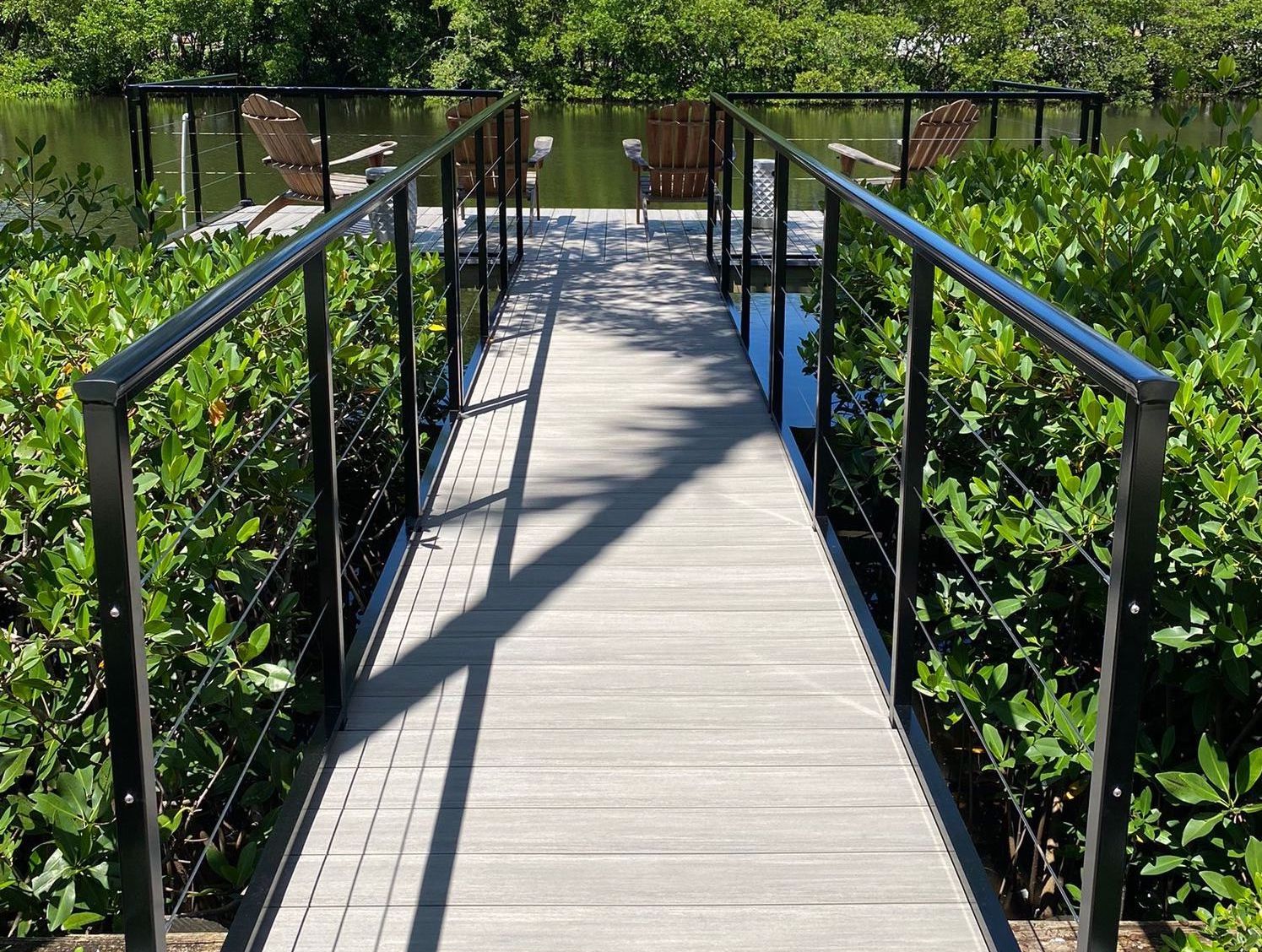
Waterfront properties are cherished for their scenic beauty, recreational opportunities, and overall enhancement of lifestyle. Among the various features that can elevate the value and usability of such properties, commercial dock construction stands out as a critical investment. Docks serve as the interface between land and water, providing access, convenience, and aesthetic appeal. Constructing a well-designed dock not only augments the visual charm of a waterfront property but also expands its functional possibilities.
Benefits of Commercial Dock Construction
Building a commercial dock can significantly enhance the value and utility of waterfront properties. Here are several benefits:
- Increased Property Value: A well-constructed dock can elevate the market value of waterfront properties by offering an additional feature that potential buyers find attractive.
- Improved Accessibility: Docks provide easy access to watercraft and facilitate various water-related activities such as fishing, swimming, and boating.
- Enhanced Aesthetics: Thoughtfully designed docks can enhance the visual appeal of a property, making it more inviting and picturesque.
- Additional Recreational Opportunities: Docks serve as platforms for numerous leisure activities, providing a space for relaxation, gatherings, and events.
Key Considerations in Dock Construction
When planning a dock construction project, several factors need to be considered to ensure a successful outcome. Learn more in this detailed guide.
Site Assessment and Permitting
Before construction begins, a comprehensive site assessment is crucial. This involves evaluating water depth, tidal patterns, and environmental factors. Obtaining the necessary permits from local authorities is equally important to ensure compliance with regulations.
Material Selection
The choice of materials is pivotal to the durability and sustainability of the dock. Common materials include:
- Wood: Known for its classic appearance, though it requires regular maintenance to prevent rot and decay.
- Composite: A blend of wood fibers and plastic, offering a low-maintenance and eco-friendly option.
- Aluminum: Lightweight and resistant to corrosion, making it ideal for long-lasting docks.
Read more about this topic here.
Design and Functionality
The design of the dock should align with the intended use, whether it be for private leisure, commercial purposes, or a combination of both. Considerations include:
- Load Capacity: Ensuring the dock can support anticipated traffic and weight.
- Safety Features: Incorporating railings, non-slip surfaces, and adequate lighting.
- Customization: Including features like boat lifts, storage, and seating to enhance functionality.
Find additional information here.
Sustainability and Environmental Impact
With growing emphasis on environmental responsibility, dock construction projects should consider sustainable practices. Explore further insights here.
- Eco-Friendly Materials: Using recyclable or sustainably sourced materials minimizes environmental impact.
- Minimizing Habitat Disruption: Careful planning can mitigate the impact on local wildlife and aquatic habitats.
- Stormwater Management: Incorporating features that manage runoff to prevent water pollution.
Conclusion
Investing in commercial dock construction can transform waterfront properties, enhancing their functionality, aesthetic appeal, and market value. By carefully considering site-specific factors, selecting appropriate materials, and integrating sustainable practices, property owners can ensure their docks serve as valuable assets for years to come. For those looking to embark on such a project, professional guidance and meticulous planning are crucial to achieving the desired outcome. To delve deeper into the nuances of dock construction, read more about this topic.
About the Author