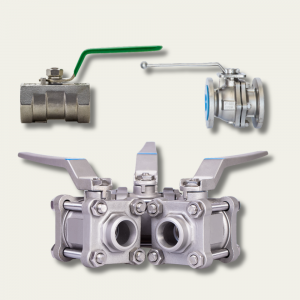
In the realm of fluid control systems, the efficiency and reliability of components are paramount. Among these components, motorized ball valves stand out due to their ability to offer precise control and durability. Their role becomes even more crucial when integrated into three-way systems, where the need for optimal flow management is heightened. This article delves into the advantages of using motorized ball valves in three-way systems, exploring how they enhance performance and reliability while providing cost-effective solutions.
Understanding Three-Way Valve Systems
Three-way valve systems are designed to control the flow of fluid through different pathways, often used in applications that require mixing or diverting. These systems are integral in industries such as HVAC, chemical processing, and water treatment. The incorporation of motorized ball valves in these systems ensures:
- Efficient flow direction with minimal manual intervention.
- Automated control, reducing the need for constant monitoring.
- Improved system integrity through enhanced sealing capabilities.
Find out more about this approach to maximize the efficiency of fluid control systems.
Key Benefits of Motorized Ball Valves
Precision and Control
Motorized ball valves are renowned for their precision in controlling fluid flow. Their ability to open and close rapidly allows for quick adjustments to flow rates, which is essential in maintaining system stability. This precision is particularly beneficial in three-way systems, where the need for accurate flow diversion is critical. Operators can learn about our tailored solutions for achieving optimal control with minimal effort.
Durability and Longevity
The robust construction of motorized ball valves ensures long-term performance, reducing the frequency of replacements and maintenance. Made from high-quality materials, these valves withstand harsh environmental conditions and corrosive fluids. This durability translates into significant cost savings and reduced downtime, making them a smart investment for any three-way system.
Cost Efficiency
Although the initial investment in motorized ball valves may be higher than manual alternatives, their long-term benefits often outweigh the costs. Key factors contributing to their cost efficiency include:
- Reduced energy consumption due to efficient operation.
- Lower maintenance costs as a result of fewer mechanical failures.
- Decreased downtime from quick and reliable valve actuation.
For detailed insights into cost management and efficiency, explore advanced guides and tips.
Integration and Versatility
Motorized ball valves offer seamless integration into existing systems, thanks to their compatibility with various actuation options and control systems. This versatility makes them suitable for a wide range of applications beyond traditional uses. Industries can discover expert strategies here to integrate these valves effectively into their operations.
Conclusion
The application of motorized ball valves in three-way systems presents numerous advantages, from enhanced control and durability to cost savings and versatility. These benefits underscore the importance of selecting the right components to optimize system performance. For further understanding and in-depth exploration of the topic, stakeholders are encouraged to explore advanced guides and tips available through industry experts.
About the Author