Cataracts are a common eye condition, especially among older adults, leading to a gradual decrease in vision clarity. As the eye’s lens becomes clouded, daily activities such as reading, driving, or even recognizing faces can become challenging. Fortunately, various treatment options are available to restore clear vision. This article delves into the different types of cataract treatments, helping you make an informed decision on the best option for maintaining optimal eye health.
Understanding Cataract Surgery
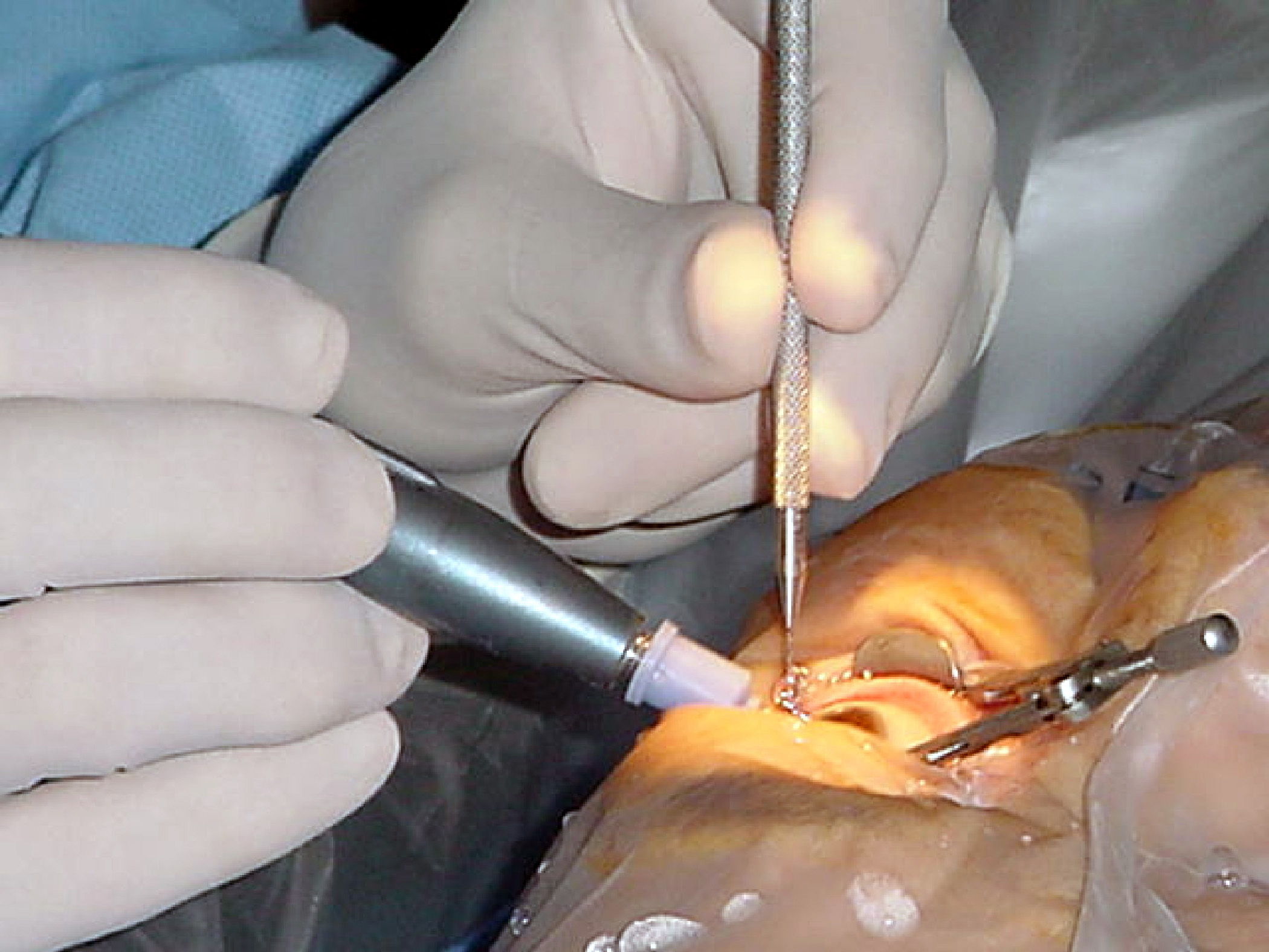
Cataract surgery is a prevalent and effective method to address cataracts. It involves the removal of the cloudy lens and its replacement with an artificial intraocular lens (IOL). This surgery is typically an outpatient procedure, ensuring a quick recovery and minimal downtime.
Types of Intraocular Lenses
When considering cataract surgery, one needs to choose the type of IOL. The selection of IOLs can significantly impact visual outcomes and lifestyle post-surgery. Here are the primary types of IOLs:
- Monofocal Lenses: Designed to provide clear vision at one distance, usually either far or near. Glasses may still be required for reading or close work.
- Multifocal Lenses: Allow for improved vision at multiple distances, reducing the dependency on glasses post-surgery.
- Toric Lenses: Specifically designed to correct astigmatism, offering better overall vision for those with this condition.
To explore further insights into the benefits of different types of IOLs, explore further insights here.
Non-Surgical Options
While surgery is the most definitive treatment for cataracts, some non-surgical options can help manage symptoms temporarily, especially in the early stages.
Vision Aids and Lifestyle Adjustments
- Prescription Glasses: Adjusting the prescription of glasses can help improve vision clarity temporarily.
- Brighter Lighting: Enhanced lighting can reduce the impact of cataracts on daily activities like reading and cooking.
- Magnifying Devices: Helpful for reading small print or detailed tasks, magnifying glasses or devices can be beneficial.
These measures may provide short-term relief, but for a long-term solution, surgery may eventually be necessary. Learn more in this detailed guide.
Considerations for Choosing the Right Treatment
Choosing the best cataract treatment requires careful evaluation of several factors:
- Severity of Cataracts: The extent to which cataracts affect daily life can determine the urgency of surgery.
- Overall Eye Health: Other existing eye conditions can influence the choice of treatment.
- Lifestyle Needs: Active lifestyles might benefit more from multifocal IOLs, reducing dependence on glasses.
- Cost and Insurance: Understanding the financial implications and insurance coverage is crucial in decision-making.
For a comprehensive understanding of what factors to consider, find additional information here.
Conclusion
Cataracts can significantly impact quality of life, but with the right treatment, clear vision can be restored. Whether opting for surgery or utilizing non-surgical methods temporarily, understanding each option’s implications is vital. By evaluating personal needs and consulting with a professional, individuals can choose the most suitable approach for their eye health. Read more about this topic to make an informed decision.
About the Author


