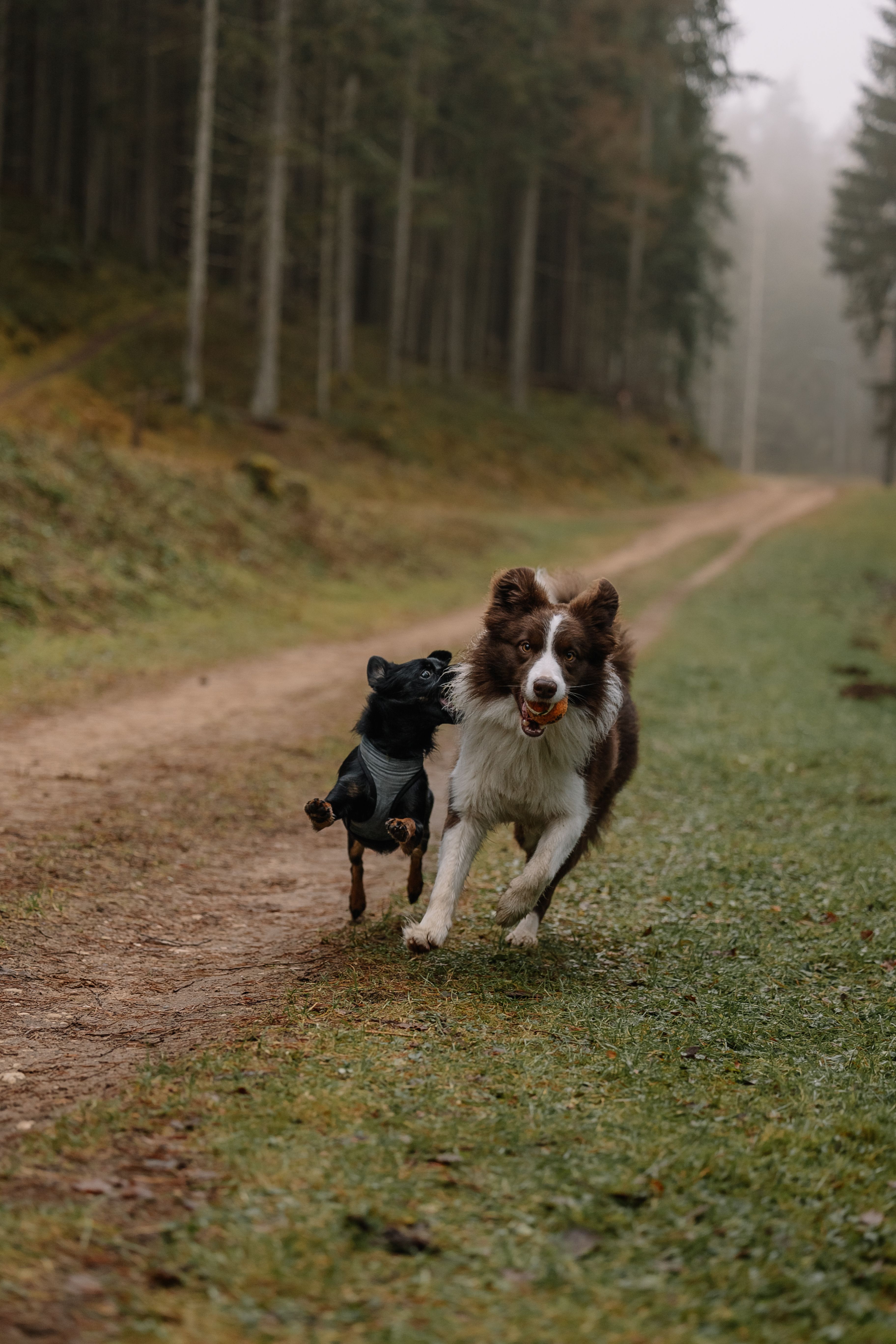
Finding a knowledgeable dog runner can transform a pet’s daily exercise routine, providing both physical stamina and mental stimulation. Whether living in a bustling city or a quiet suburb, pairing a canine companion with a seasoned runner ensures safe, effective outings that respect the dog’s breed, age, and temperament. This guide outlines the essential steps for locating qualified professionals, highlights the benefits of guided runs, and offers practical tips for integrating regular dog-running sessions into a balanced lifestyle.
Why Professional Dog Runners Matter
Professional dog runners bring a blend of fitness expertise and canine behavior insight that casual joggers often lack. Their training includes knowledge of proper leash handling, pacing strategies, and emergency protocols, all of which safeguard the health of both dog and runner.
Benefits of Guided Runs
- Reduced risk of injury through controlled speed and terrain selection.
- Enhanced socialization opportunities for dogs that thrive on interaction.
- Consistent cardiovascular conditioning tailored to the dog’s breed and age.
- Peace of mind for owners who cannot commit to daily long-distance runs.
- Professional monitoring of hydration, temperature, and paw health.
How to Locate Qualified Dog Runners in Your Area
Modern search tools and community platforms make it easier than ever to discover local experts. Start by checking specialized directories that focus on pet-related services. Many of these sites feature verified profiles, client testimonials, and detailed service descriptions.
- Search for “dog running services” combined with your city or zip code.
- Review profiles for certifications in canine first aid or pet fitness.
- Read recent client reviews to gauge reliability and communication style.
- Contact potential runners to discuss your dog’s specific needs and schedule.
- Ask for a trial session to assess compatibility before committing long-term.
For a deeper dive into selection criteria, Discover expert strategies here.
Key Qualities to Look For
Not every jogger with a leash qualifies as a professional. The most effective dog runners demonstrate a combination of technical skill, empathy, and adaptability.
- Certification and Training: Look for credentials such as Certified Canine Fitness Trainer (CCFT) or equivalent.
- Experience with Specific Breeds: Certain breeds have unique gait patterns and stamina thresholds.
- Safety-First Mindset: Ability to recognize signs of fatigue, overheating, or paw injury.
- Communication Skills: Clear updates on progress, route choices, and any concerns.
- Flexibility: Willingness to adjust routes based on weather, traffic, or the dog’s mood.
When evaluating a potential partner, Learn about our tailored solutions. This resource outlines how personalized plans can be crafted to match a dog’s fitness level.
Integrating Dog Running Into Your Pet’s Routine
Consistency is the cornerstone of any fitness program. Introducing regular runs should be a gradual process, allowing the dog to build endurance while maintaining enthusiasm.
- Start Small: Begin with short, low-intensity jogs (5-10 minutes) on soft surfaces.
- Progressive Load: Increase distance by 10-15% each week, monitoring the dog’s response.
- Schedule Regular Sessions: Aim for 3-4 runs per week to establish a predictable routine.
- Incorporate Play: End each session with a brief game of fetch or a cool-down walk.
- Track Metrics: Use a simple log to record distance, pace, and any observations.
For a comprehensive guide on building a sustainable program, Explore advanced guides and tips.
Resources and Further Learning
Staying informed about best practices in canine fitness helps both owners and runners maintain high standards of care. Several online platforms offer articles, video tutorials, and community forums where questions can be asked and experiences shared.
- Professional blogs that discuss breed-specific conditioning.
- Webinars hosted by veterinary sports specialists.
- Local meet-ups where dog runners exchange route ideas and safety tips.
- Downloadable checklists for pre-run equipment (hydration packs, paw protectors, etc.).
To explore additional insights and practical recommendations, Find out more about this approach. Regularly revisiting these resources ensures that training stays aligned with the latest research and industry standards.
Final Thoughts
Connecting with experienced dog runners near you is more than a convenience; it’s an investment in the long-term health and happiness of your canine companion. By prioritizing qualified professionals, evaluating key traits, and following a structured training plan, owners can enjoy the peace of mind that comes from knowing their pet receives safe, effective exercise. Leveraging reputable online guides and community expertise further enhances the experience, turning each run into a rewarding partnership between human and dog.
About the Author