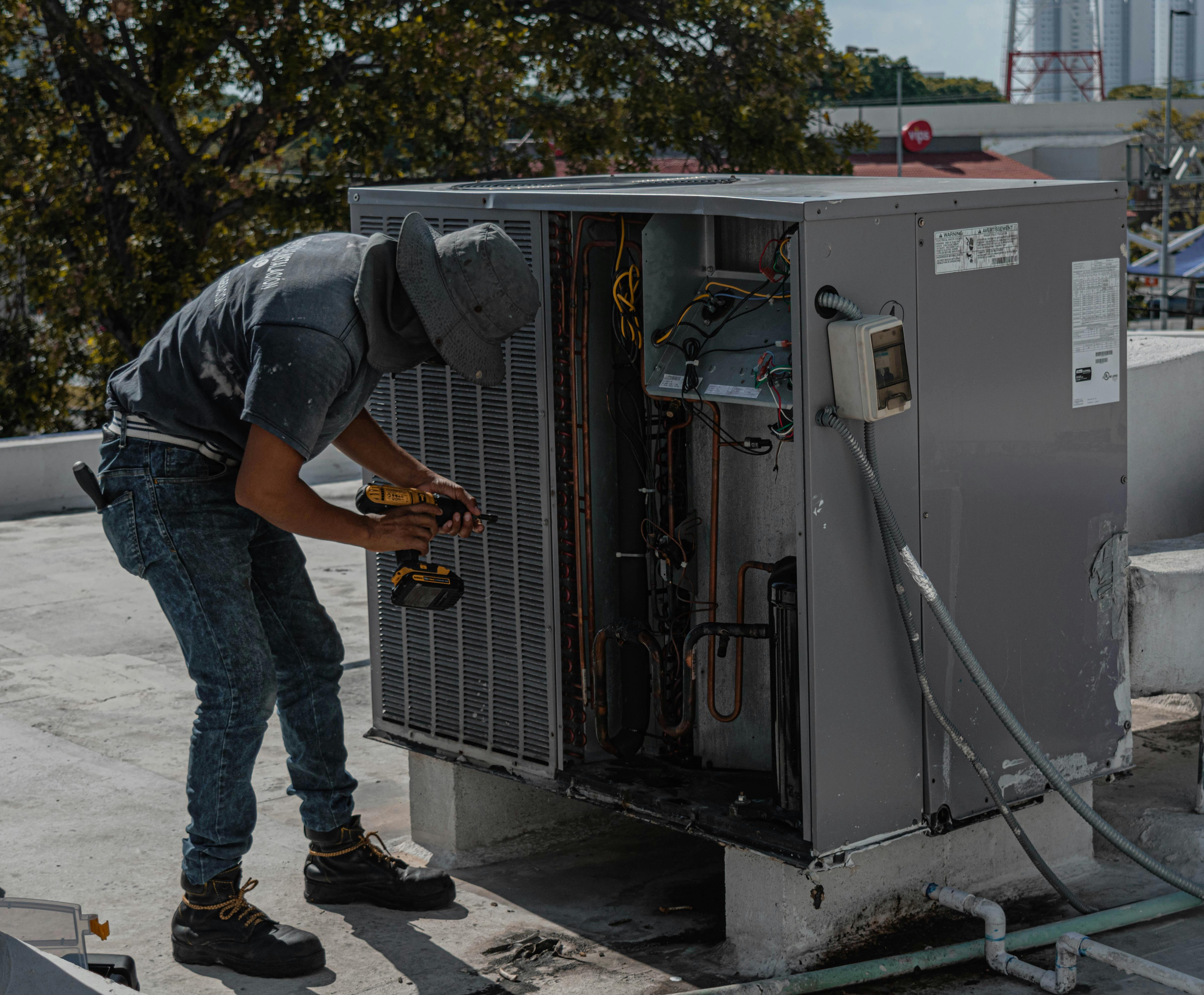
In today’s fast-paced commercial environment, reliable refrigeration is more than a convenience, it’s a critical component of operational efficiency, product safety, and cost control. From grocery stores and restaurants to pharmaceutical warehouses and industrial plants, the performance of cooling equipment directly influences bottom-line results. Maintaining that performance requires a proactive approach that blends routine maintenance, timely repairs, and strategic upgrades. By understanding the key factors that affect refrigeration systems and applying best-practice service methods, facilities can minimize downtime, extend equipment lifespan, and keep energy consumption in check.
Why Proactive Refrigeration Maintenance Matters
Neglecting regular service can lead to a cascade of problems that are far more expensive to fix than routine upkeep. The most common consequences include:
- Reduced cooling capacity, resulting in product spoilage or compromised safety.
- Increased energy usage, which drives up utility costs and carbon footprints.
- Accelerated wear on components such as compressors, evaporators, and condensers.
- Unexpected breakdowns that cause operational interruptions and revenue loss.
Implementing a structured maintenance schedule therefore protects both the equipment and the business that relies on it.
Core Elements of an Efficient Service Program
1. Scheduled Inspections and Preventive Checks
Regular inspections catch early signs of wear before they become critical failures. A comprehensive checklist typically covers:
- Refrigerant levels and pressure readings.
- Condenser and evaporator coil cleanliness.
- Electrical connections and control circuitry.
- Thermostat calibration and sensor accuracy.
- Leak detection and insulation integrity.
For a deeper dive into systematic inspection methods, Discover expert strategies here.
2. Predictive Maintenance Technologies
Advances in IoT sensors and data analytics enable facilities to move from reactive to predictive maintenance. By continuously monitoring temperature trends, vibration patterns, and power consumption, technicians can forecast component fatigue and schedule interventions at the most opportune moments.
- Real-time alerts reduce response times.
- Data-driven insights optimize spare-part inventory.
- Machine learning models improve failure predictions over time.
Learn about this forward-looking approach by Learn about our tailored solutions.
3. Timely Repairs and Component Replacement
When issues are identified, swift corrective action is essential. Key repair practices include:
- Replacing worn seals and gaskets to prevent refrigerant leaks.
- Cleaning or retrofitting coils to restore heat-exchange efficiency.
- Upgrading outdated compressors with high-efficiency models.
- Reprogramming or calibrating control systems for optimal set-points.
For guidance on selecting the right replacement parts, Explore advanced guides and tips.
Energy Efficiency and Cost Savings
Efficient refrigeration isn’t just about keeping things cold; it’s also about reducing the energy burden on a facility. Implementing the following measures can lead to noticeable savings:
- Variable speed drives (VSDs): Adjust motor speed to match load, cutting unnecessary power draw.
- Heat recovery systems: Capture waste heat from condensers for space heating or water pre-heating.
- Improved insulation: Minimize thermal loss and protect against temperature fluctuations.
- Smart defrost cycles: Optimize defrost timing to balance ice removal with energy use.
Facilities seeking to benchmark their energy performance can Find out more about this approach, which outlines industry standards and measurement tools.
Training and Documentation
Even the most sophisticated service plan falters without knowledgeable staff. Investing in regular training for maintenance crews ensures they are familiar with the latest equipment technologies, safety protocols, and regulatory requirements.
- Certification programs for refrigeration technicians.
- Standard operating procedures (SOPs) that capture best-practice steps.
- Digital maintenance logs that track service history and performance trends.
Comprehensive documentation also supports compliance with health and safety regulations, making audits smoother and reducing liability.
Choosing the Right Service Partner
When evaluating external service providers, consider criteria that align with long-term reliability rather than short-term cost savings. Important factors include:
- Proven experience with the specific type of refrigeration system in use.
- Availability of 24/7 emergency response teams.
- Access to OEM-approved parts and certified technicians.
- Transparent reporting that includes performance metrics and cost analysis.
For an overview of qualities that distinguish top-tier service firms, Explore advanced guides and tips on selecting a partner that delivers consistent results.
Conclusion
Efficient refrigeration services are essential for maintaining product integrity, controlling operational expenses, and ensuring regulatory compliance. By integrating scheduled inspections, predictive technologies, rapid repairs, energy-saving upgrades, and continuous staff training, facilities can keep their cooling equipment running smoothly year after year. Leveraging reputable resources and partnering with skilled service professionals further strengthens the reliability of these critical systems, ultimately supporting the broader goals of productivity and sustainability.
About the Author