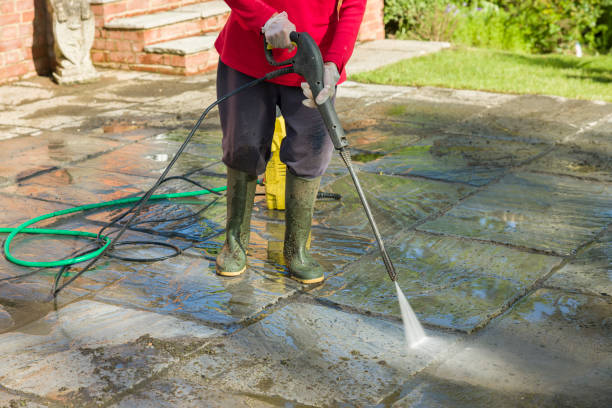
Pressure cleaning, also known as power washing, is an effective method for removing dirt, mold, graffiti, and other contaminants from a variety of surfaces. Whether maintaining a family home or preserving the appearance of a large business facility, the decision between residential and commercial pressure cleaning hinges on factors such as project scale, surface material, regulatory requirements, and budget. This article breaks down the essential differences, helping property owners make an informed choice that aligns with their cleaning objectives.
Understanding Pressure Cleaning
At its core, pressure cleaning uses high-pressure water streams, sometimes combined with detergents, to dislodge stubborn grime. The technique can be adapted for delicate surfaces (e.g., painted wood) or robust materials (e.g., concrete slabs). While the basic principles remain the same, the execution varies considerably between residential and commercial settings.
Typical Applications
- Residential: Driveways, patios, siding, decks, garage floors, and small fences.
- Commercial: Parking lots, warehouse exteriors, storefront facades, industrial equipment, and large-scale landscaping features.
Key Differences Between Residential and Commercial Pressure Cleaning
Scope and Scale
Commercial projects often involve extensive square footage and tighter timelines, requiring crews that can work efficiently across multiple zones. Residential jobs usually focus on single-family properties or small multi-unit complexes, allowing for more flexible scheduling.
Surface Types
Different surfaces demand specific pressure levels and cleaning agents. Understanding these nuances prevents damage and ensures optimal results.
- Concrete and stone – high pressure, strong detergents.
- Wood and vinyl siding – moderate pressure, gentle cleaners.
- Metal roofs and panels – low pressure, anti-rust solutions.
Equipment and Techniques
Commercial cleaners typically employ larger, motor-driven pumps, hot-water systems, and high-capacity water reclamation units. Residential technicians may rely on electric or smaller gas-powered units that are easier to maneuver around a home.
Regulatory and Safety Considerations
Commercial operations are subject to stricter environmental regulations, especially concerning runoff and chemical usage. Workers must also adhere to occupational health and safety standards, including personal protective equipment (PPE) and site-specific risk assessments.
Cost Factors
Pricing structures differ based on labor intensity, equipment depreciation, and compliance costs. Residential services often charge per hour or per square foot, while commercial contracts may be quoted as fixed-price projects with detailed scope definitions.
Choosing the Right Service for Your Needs
When deciding between residential and commercial pressure cleaning, evaluate the following criteria to determine which approach aligns best with your objectives.
Assessment Checklist
- Project Size: Is the area under 5,000″?sq”?ft (residential) or larger (commercial)?
- Surface Sensitivity: Do you need low-pressure techniques for delicate materials?
- Timeline: Is a quick turnaround essential for business operations?
- Regulatory Compliance: Are there local environmental rules governing water discharge?
- Budget Constraints: What is the allocated spend for cleaning versus ongoing maintenance?
For homeowners seeking a one-time refresh of driveways or decks, a residential pressure cleaning provider can deliver tailored solutions with minimal disruption. Conversely, businesses that must maintain curb appeal, comply with health codes, or protect high-traffic areas should consider a commercial service that offers scalable resources and documented compliance.
Integrating Professional Guidance
Professional expertise can clarify which equipment, cleaning agents, and techniques are appropriate for a given situation. For deeper insight into how to match cleaning methods with property types, Read more about this topic. Additionally, understanding the environmental impact of pressure cleaning is crucial; Learn more in this detailed guide.
Maintenance Tips After Pressure Cleaning
Regardless of whether the job was residential or commercial, ongoing maintenance prolongs the benefits of a thorough cleaning.
- Apply sealants or protective coatings to vulnerable surfaces.
- Schedule regular inspections to catch early signs of wear.
- Implement a routine sweep or low-pressure rinse to prevent buildup.
- Consider eco-friendly detergents for routine upkeep.
For a comprehensive list of post-cleaning best practices, Explore further insights here.
Final Thoughts
Choosing between residential and commercial pressure cleaning hinges on evaluating the project’s scale, surface requirements, regulatory landscape, and budget. By understanding these distinctions and leveraging professional guidance, property owners can select the most effective cleaning strategy, ensuring lasting aesthetic appeal and structural protection. For additional resources and detailed comparisons, Find additional information here.
About the Author