When it comes to roofing, property owners are faced with a multitude of challenges. Not only do they need to ensure their roofs are durable and long-lasting, but they also need to balance their budgets with the desire for sustainable solutions. In recent years, the demand for eco-friendly and cost-effective roofing options has skyrocketed, with many homeowners and business owners seeking expert advice to navigate this complex landscape. Fortunately, there are many strategies available to achieve sustainable and cost-effective roofing solutions, and by understanding the key principles, property owners can make informed decisions about their roofing needs.
Assessing Roofing Needs
Before embarking on a roofing project, it’s essential to assess the property’s specific needs. This involves evaluating the roof’s condition, taking into account factors such as its age, material, and any existing damage. A thorough inspection will help identify areas that require attention, allowing homeowners to prioritize their spending and allocate their budget effectively.
For instance, if a roof is nearing the end of its lifespan, it may be more cost-effective to replace it entirely rather than attempting to repair it. Similarly, if a roof is showing signs of damage, such as cracks or leaks, it’s crucial to address these issues promptly to prevent further deterioration.
Choosing the Right Materials
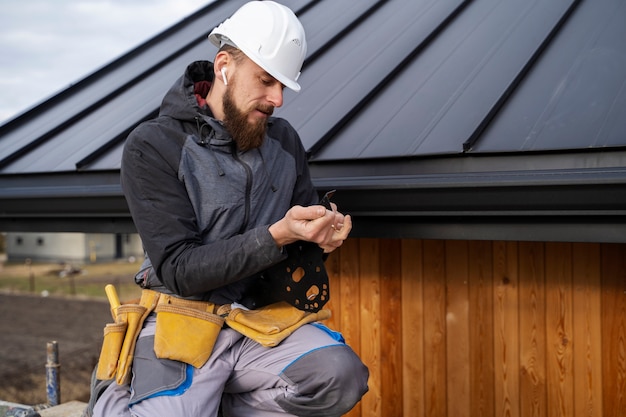
When it comes to selecting roofing materials, property owners have a wide range of options available. From traditional asphalt shingles to more sustainable alternatives like metal and solar panels, each material has its own unique benefits and drawbacks. For example, metal roofing is highly durable and resistant to weathering, but it can be more expensive upfront. On the other hand, solar panels offer a renewable energy source, but they may require additional installation costs.
Discover expert strategies here to learn more about the pros and cons of different roofing materials and how to choose the best option for your property.
Designing for Sustainability
Roofing design plays a critical role in achieving sustainable solutions. By incorporating features such as green roofs, rainwater harvesting systems, and solar panels, property owners can significantly reduce their environmental footprint. Green roofs, for instance, provide insulation, reduce stormwater runoff, and create habitats for local wildlife.
Learn about our tailored solutions to find out more about designing a sustainable roof that meets your unique needs and budget.
Implementing Cost-Effective Measures
While sustainable roofing solutions may seem expensive, there are many cost-effective measures that can be taken to reduce expenses. For example, proper ventilation and insulation can help reduce energy costs, while regular maintenance can prevent costly repairs down the line.
Explore advanced guides and tips on how to implement cost-effective measures and achieve a sustainable roof that fits your budget.
Conclusion
In conclusion, achieving sustainable and cost-effective roofing solutions requires a thoughtful and informed approach. By assessing roofing needs, choosing the right materials, designing for sustainability, and implementing cost-effective measures, property owners can create a roof that not only meets their needs but also contributes to a more environmentally friendly future.
Find out more about this approach and discover how to create a roof that’s both eco-friendly and budget-friendly by visiting Discover expert strategies here.
About the Author