Sewage spills can turn a safe environment into a hazardous zone within minutes. Whether it occurs in a residential kitchen, a commercial restaurant, or an industrial facility, the health risks and property damage demand immediate, professional intervention. Prompt cleanup not only prevents costly repairs but also safeguards occupants from exposure to harmful pathogens. This article outlines the essential components of fast-response sewage cleanup services for both homes and businesses, offering practical guidance on what to expect, how to prepare, and why specialized expertise matters.
Why Immediate Sewage Cleanup Is Critical
Time is the most decisive factor when dealing with sewage contamination. The longer the waste remains, the greater the chance for:
- Growth of bacteria, viruses, and mold that can cause respiratory and gastrointestinal illnesses.
- Absorption of contaminants into porous materials such as drywall, carpet, and insulation.
- Unpleasant odors that linger and affect indoor air quality.
- Structural damage due to prolonged moisture exposure.
Rapid response teams employ industrial-grade equipment and proven protocols to mitigate these risks, ensuring that the affected area is restored to a safe, habitable condition.
Key Steps in Professional Sewage Cleanup
1. Assessment and Safety Planning
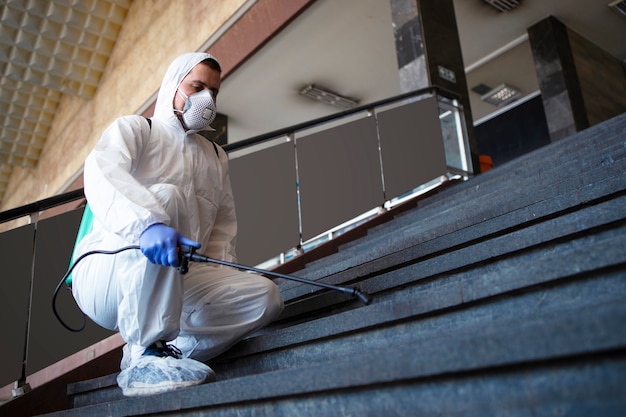
The first on-site visit involves a thorough inspection to identify the source, extent, and type of sewage involved. Safety gear, including respirators, waterproof suits, and gloves, is mandatory for all personnel. This stage sets the foundation for an effective remediation plan.
2. Containment and Removal
To prevent cross-contamination, the affected zone is sealed off using plastic barriers and negative air pressure units. All contaminated materials that cannot be safely cleaned, such as soaked carpet, insulation, and certain wallboard, are removed and disposed of in accordance with local regulations.
3. Cleaning, Disinfection, and Deodorization
After debris removal, surfaces are scrubbed with industry-approved detergents, followed by a hospital-grade disinfectant to eradicate pathogens. Specialized deodorizing agents neutralize lingering smells, leaving the space fresh and safe.
4. Drying and Moisture Control
Moisture meters and infrared cameras help locate hidden wet spots. High-capacity air movers and dehumidifiers dry the area completely, reducing the risk of mold growth. Continuous monitoring ensures that the drying process meets the required standards before reconstruction begins.
5. Restoration
Once the environment is cleared, reconstruction work, such as installing new drywall, flooring, or cabinetry, restores the property to its pre-incident condition. Certified contractors often collaborate with the cleanup team to streamline the process.
Choosing the Right Service Provider
Not all cleanup services are created equal. When evaluating potential partners, consider the following criteria:
- Certification and Training: Technicians should hold certifications from recognized bodies such as the IICRC (Institute of Inspection, Cleaning and Restoration Certification).
- Response Time: Look for providers that guarantee a rapid arrival, ideally within 60 minutes of the call.
- Equipment Quality: Advanced extraction units, HEPA filtration, and moisture detection tools are essential for thorough remediation.
- Customer Transparency: Detailed estimates, clear communication, and documented procedures build trust.
For a deeper dive into industry-standard practices, Discover expert strategies here.
Special Considerations for Businesses
Commercial properties face unique challenges during sewage incidents. Operational downtime can lead to revenue loss, and regulatory compliance adds another layer of complexity. Effective business-focused cleanup should address:
- Rapid restoration to minimize interruption of services.
- Compliance with health department regulations and OSHA standards.
- Documentation for insurance claims and potential legal matters.
- Coordination with facility managers to protect critical equipment.
Tailored solutions for commercial settings are outlined in detail on the service page; Learn about our tailored solutions.
Preventative Measures to Reduce Future Incidents
While emergencies can’t always be avoided, proactive steps can lessen the likelihood of severe damage:
- Regular inspection and maintenance of plumbing fixtures, sewer lines, and grease traps.
- Installation of backflow preventers in areas prone to flooding.
- Routine cleaning of drains with enzyme-based products that break down organic buildup.
- Establishing an emergency response plan that includes contact numbers for certified cleanup teams.
Explore advanced guides and tips on how to implement these preventative strategies by visiting the dedicated resource page; Explore advanced guides and tips.
Customer Experience and Trust
Choosing a service with a proven track record is essential for peace of mind. Prospective clients can verify satisfaction levels by reviewing real feedback from previous projects. Check out customer reviews here to see how timely response and thorough remediation have helped homeowners and business owners alike.
Conclusion
Fast, professional sewage cleanup protects health, preserves property value, and reduces long-term costs. By understanding the critical steps involved, selecting qualified specialists, and implementing preventive maintenance, both residential and commercial stakeholders can mitigate the impact of unexpected sewage events. For comprehensive support that aligns with industry best practices, consider engaging a certified provider that offers rapid response, transparent communication, and proven results.
About the Author