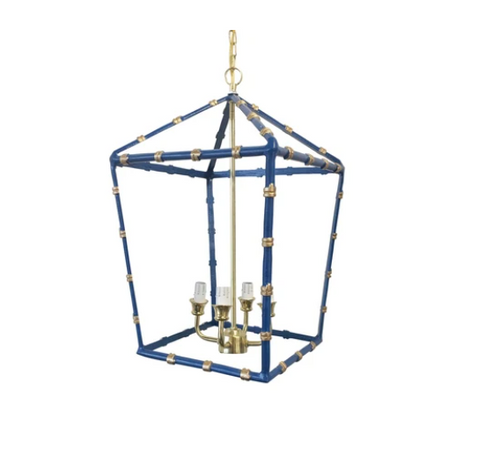
Lighting is more than illumination; it shapes mood, defines function, and enhances the aesthetic narrative of any interior. When a space is thoughtfully lit, it can feel larger, more inviting, and perfectly aligned with the intended purpose of each room. Modern lighting design blends technology, craftsmanship, and design theory to create solutions that are both functional and visually striking. For those seeking to elevate residential or commercial environments, the principles behind Dana Gibson lighting solutions provide a reliable roadmap for success.
Understanding the Core Principles of Effective Lighting
Before selecting fixtures, it is essential to grasp the three foundational concepts that drive successful lighting design:
- Layered Lighting: Combining ambient, task, and accent lighting creates depth and flexibility.
- Color Temperature: Warm whites (2700-3000K) promote relaxation, while cooler whites (3500-4100K) enhance focus and clarity.
- Light Distribution: Proper placement ensures even illumination without glare or dark spots.
These principles are explored in detail on the official resource page, where readers can Discover expert strategies here and apply them to any project.
Key Benefits of Dana Gibson Lighting Solutions
Energy Efficiency and Sustainability
Advanced LED technology reduces power consumption by up to 80% compared to traditional incandescent bulbs. Integrated dimming controls further extend the lifespan of each fixture, resulting in lower maintenance costs and a smaller carbon footprint.
Design Flexibility
Modular systems allow designers to adapt lighting layouts as needs evolve. Whether updating a home office or reconfiguring a retail display, the system’s scalability supports both minor tweaks and major renovations.
Enhanced Visual Comfort
By minimizing flicker and providing consistent color rendering, these solutions protect eyes from strain and improve overall visual acuity. This is especially valuable in environments where precision tasks are performed, such as kitchens, studios, or workspaces.
Practical Steps to Implement a Lighting Upgrade
Transforming a space does not require a complete overhaul. Follow these actionable steps to integrate Dana Gibson lighting solutions seamlessly:
- Assess Existing Conditions: Conduct a walkthrough to note current light levels, fixture placement, and any problem areas such as shadows or glare.
- Define Objectives: Clarify the primary purpose of each room, whether it’s relaxation, productivity, or showcasing artwork.
- Select Appropriate Fixtures: Choose LED fixtures that match the desired color temperature and lumen output for each zone.
- Plan the Wiring Layout: Ensure that circuits can handle the new load and that dimmer switches are compatible with LED technology.
- Install and Calibrate: Position fixtures according to the layered lighting model, then fine-tune dimming levels and sensor settings.
For a deeper dive into each phase, readers may Learn about our tailored solutions that guide both DIY enthusiasts and professional installers.
Design Inspiration: Real-World Applications
Below are three common scenarios where Dana Gibson lighting solutions have delivered measurable improvements:
- Open-Concept Living Areas: Recessed LEDs paired with pendant fixtures create a balanced ambient glow while accent lighting highlights architectural features.
- Home Offices: Adjustable task lights with high CRI (Color Rendering Index) improve screen readability and reduce eye fatigue during long work sessions.
- Retail Showrooms: Directional spotlights emphasize product details, while ambient lighting sets an inviting atmosphere that encourages browsing.
Explore additional case studies and visual guides by Explore advanced guides and tips that illustrate these concepts in practice.
Maintenance Tips for Longevity
Even the most robust lighting systems benefit from regular upkeep. Implement the following routine to preserve performance:
- Dust fixtures with a soft, dry cloth every 1-2 months to maintain light output.
- Check dimmer compatibility annually; replace outdated switches to avoid flicker.
- Schedule a professional inspection every 3-5 years to verify wiring integrity and fixture stability.
For a concise checklist, Find out more about this approach and keep your lighting operating at peak efficiency.
Conclusion: Elevate Every Space with Thoughtful Illumination
Effective lighting transforms ordinary rooms into purposeful environments that support well-being, productivity, and aesthetic appeal. By adhering to core design principles, leveraging energy-saving technology, and following a systematic implementation plan, any space can benefit from the refined solutions championed by Dana Gibson. The blend of expertise, flexibility, and sustainability ensures that each project not only looks impressive today but remains adaptable for tomorrow’s needs.
About the Author